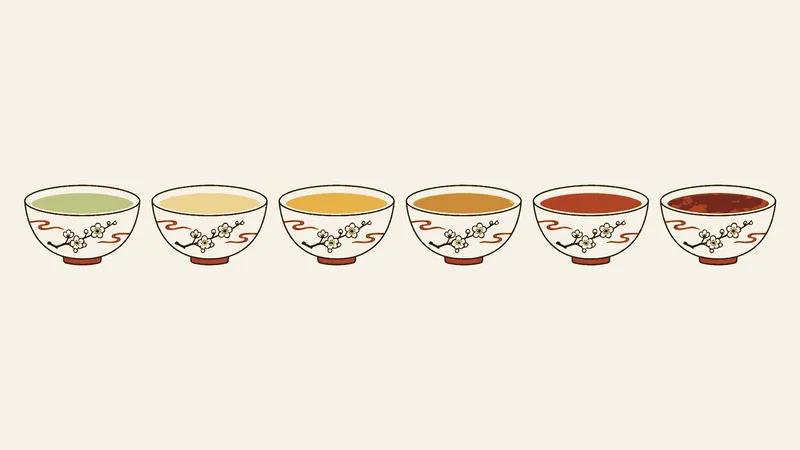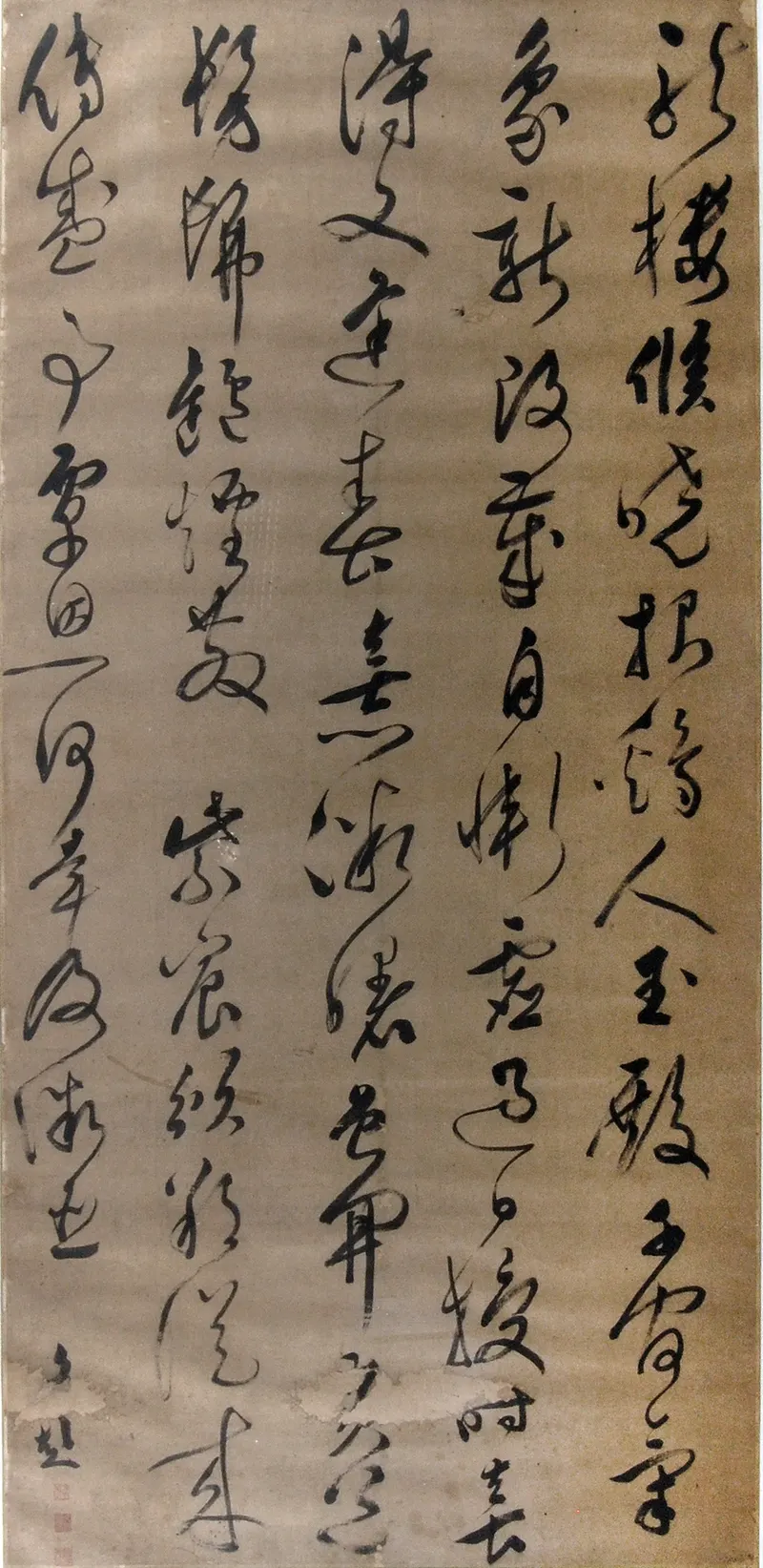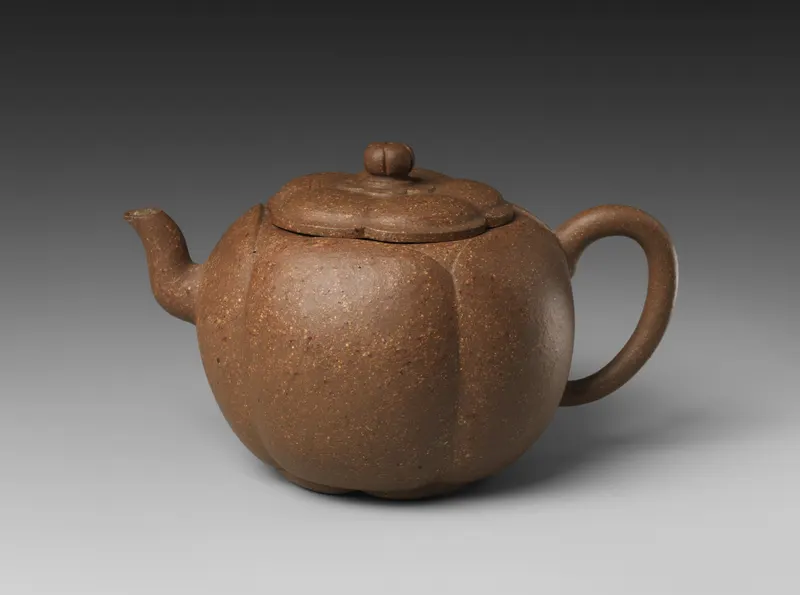
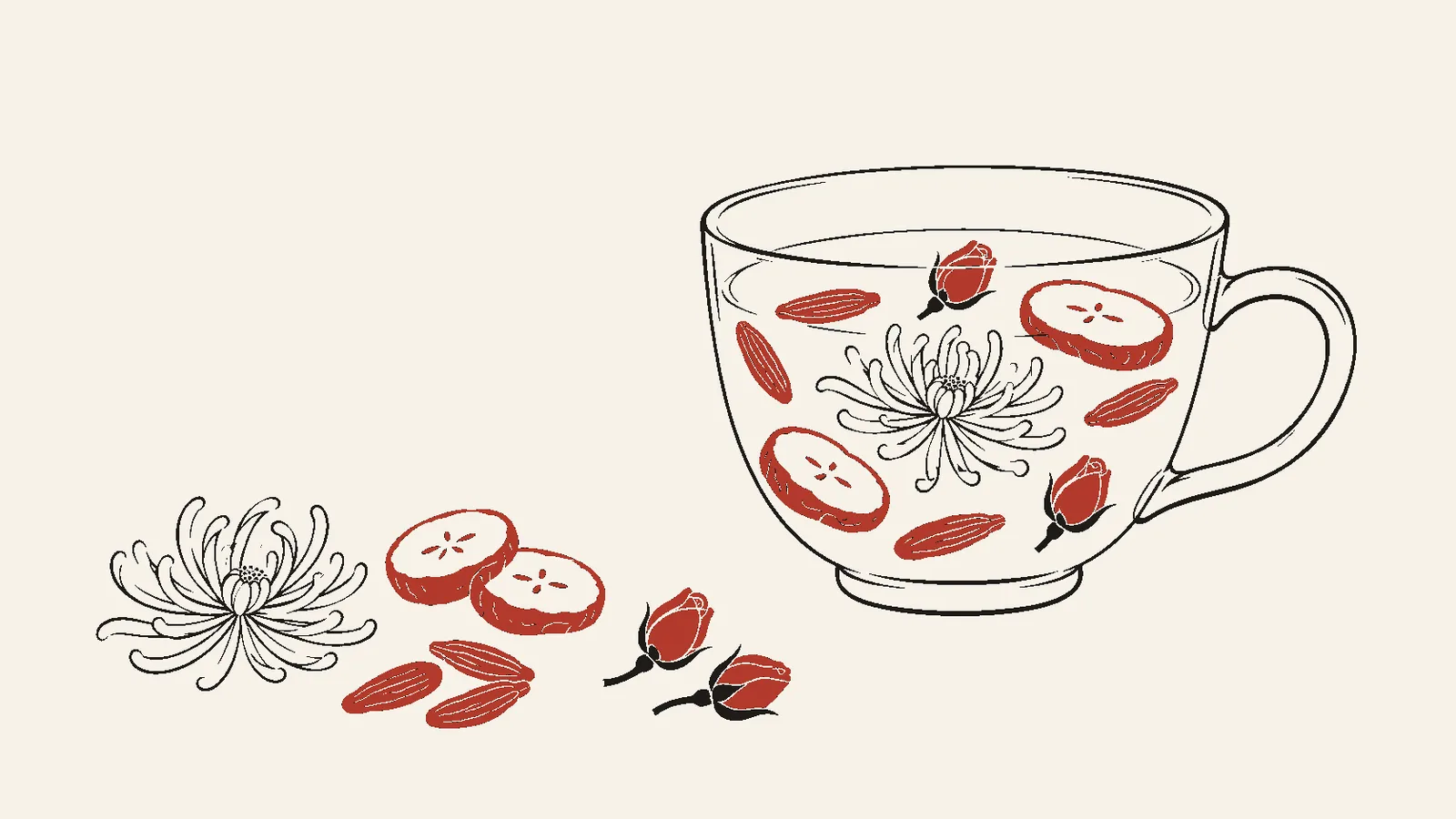
Chinese herbal tea is not one drink but a family of infusions made from flowers, fruits, roots, seeds, and sometimes true tea leaves. The Chinese term 代茶饮 (daicha yin) literally means “drinking in place of tea,” and it points to a long kitchen-and-pharmacy culture where goji, jujube, chrysanthemum, mulberry, and rose move between food and herbal lore. This page looks at that history, flavor, and ritual—not at promises of effects.
What Counts as Chinese Herbal Tea?
English uses “tea” loosely. Strictly, tea is the leaf of Camellia sinensis. A chrysanthemum infusion is a tisane—a herbal infusion—even when it comes in a tea bag. Chinese has a useful phrase for the in-between cup: 代茶饮 (daicha yin), “drinking in place of tea.” The term appears in later diet manuals; one often-cited example is Yinshan Zhengyao, a Yuan-dynasty food manual by Hu Sihui.
These drinks sit between kitchen and pharmacy. Some are pure flower-and-fruit mixes. Others add true tea leaves for body, color, or caffeine. That is why labels matter. A rose bud and a green tea leaf are both brewed in hot water, but they are not the same plant.
From Legend to the Pharmacy Drawer
According to legend recorded in the Huainanzi (Xiuwu chapter), Shennong tasted a hundred herbs and met seventy poisons in a single day. The story is myth, not a lab notebook. It explains why Shennong became the patron figure of Chinese herbal lore.
The Shennong Bencao Jing—a classic that tradition ties to Shennong—divides 365 substances into upper, middle, and lower grades in its preface. Jujube and chrysanthemum appear in the upper grade. Goji has its own entry in Li Shizhen’s Bencao Gangmu, in the wood section. Li Shizhen’s Ming-dynasty compendium gathers names, habitats, and quoted opinions. It is a library of observation, not a single recipe.
Old pharmacies gave this knowledge a physical home. Herbs lived in labeled drawers. A small steelyard, the dengzi, weighed them out. Paper packets were folded and tied at the counter. The scene still shapes how Chinese herbals are imagined: a drawer pulled open, a scent released, a paper packet on the table.
Five Ingredients, Five Flavors
Goji berries are small red fruit, dried until chewy and slightly sticky. In a cup they smell sweet and a little grassy; the liquid turns pale orange. Li Shizhen’s Bencao Gangmu places goji in its wood section (Bencao Gangmu, wood section, “Goji”). On a modern tea table, goji is often paired with chrysanthemum for a floral-red cup, or with jujube for a sweeter brew.
Jujubes—red dates—are the sweet anchor of many blends. Dried, they are wrinkled, mahogany-red, and chewy, with a flavor like date and brown sugar. The Shennong Bencao Jing lists jujube in its upper grade (Shennong Bencao Jing, upper grade). Li Shizhen gives it a place in the fruit section (Bencao Gangmu, fruit section, “Jujube”). Tradition holds that northern Chinese kitchens fold jujubes into date breads, congee, and eight-treasure tea.
Chrysanthemum tea is usually made from dried flower heads, not tea leaves. The petals smell honeyed and slightly dusty; the taste is light, floral, and a touch bitter at the finish. The Shennong Bencao Jing lists chrysanthemum in its upper grade. Li Shizhen gives it an entry in his herb section (Bencao Gangmu, herb section, “Chrysanthemum”). Tradition holds that Double Ninth Festival gatherings included chrysanthemum wine; today the flower is more often brewed in a glass teapot so you can watch the heads open.
Mulberry fruit, or sangshen, is dark purple and tart-sweet. Fresh, it stains fingers; dried, it wrinkles into a chewy, raisin-like piece. The Book of Songs describes mulberry leaves with the line “before the mulberry leaves fall, how lush they are” (Book of Songs, Odes of Wei, “Meng”). Mulberry belongs to a larger world of silk, leaves, and orchards. In a teapot, the dried fruit gives a wine-dark color and a jammy tartness.
Rose buds are a later arrival at the Chinese tea table. Tradition holds that rose appears in Ming and Qing herbals, and that it became a favorite in flower-fruit blends. The dried buds are pink to deep red, with a perfume that fills the room before the water is poured. Rose tastes floral and slightly astringent; it needs a light hand. A few buds are enough to scent a pot of mulberry or goji.
Building a Tea Table
Start with two or three ingredients, not ten. Use a glass cup or a small teapot so you can watch the color change. Water just off the boil works for dried fruit and roots; delicate flowers prefer a slightly cooler pour. Taste after three minutes, then add time or more water. Keep a notebook. Flavor is easier to remember than a recipe.
For a flower-forward cup, brew chrysanthemum with goji. For a sweet, deep cup, simmer jujube with goji. For a tart pink cup, steep mulberry with rose. For a citrus edge, add a piece of chenpi, aged tangerine peel.
Five-red soup and eight-treasure tea show the same logic at the table. Tradition holds that a common five-red version includes red beans, jujubes, red-skinned peanuts, goji, and brown sugar; families vary. Tradition holds that eight-treasure tea belongs to northwest China’s covered-bowl culture; recipes vary by household. If you serve either, list the peanuts and other common allergens for guests.
Some modern blends include true tea leaves. If a blend contains oolong, black tea, or green tea, it will contain caffeine; check the label.
Flavor First, Promises Last
Chinese herbals have a long relationship with the pharmacy. The same ingredient can appear in a kitchen and a drawer of an old shop. That double life is real, and it is why this page sticks to culture, flavor, and ritual. We do not present these drinks as prescriptions. If you are pregnant, taking medication, or managing an allergy, ask a qualified professional before trying an unfamiliar herbal blend. For the curious, the pleasure is in the details: the smell of dried chrysanthemum, the sticky chew of a jujube, the way a few rose buds turn a plain cup into a small ceremony.
A Simple Modern Ritual
Set a small tray. Put three ingredients in separate dishes. Smell each one dry. Choose a cup. Brew. Wait. Taste. Write one word. This is how a tea table becomes yours. It is also how an old pharmacy drawer becomes a kitchen shelf. Modern tea bags can carry the same idea: a flower, a fruit, a root, and a reason to pause.
Questions, answered
Is Chinese herbal tea always made from tea leaves?
No. Many are tisanes made from flowers, fruits, roots, or seeds. True tea comes from Camellia sinensis. Some blends mix both, so check the label for tea leaves and caffeine.
What does 代茶饮 mean?
It literally means “drinking in place of tea.” It refers to everyday infusions made from foods and herbs, often noted in later diet manuals such as Yinshan Zhengyao. It is a cultural category, not a prescription.
What is 药食同源?
The phrase means “food and herb share a source.” It is a traditional idea that some ingredients belong in both the kitchen and the pharmacy. China’s National Health Commission keeps a catalog of such substances. It describes classification, not a promise of effects.
Are goji, jujube, and chrysanthemum tea leaves?
No. Goji is a berry, jujube a fruit, and chrysanthemum a flower. They are brewed as herbal infusions. Classical herbals like the Shennong Bencao Jing and Li Shizhen’s Bencao Gangmu list them, but that is history, not a health claim.
How do people enjoy Chinese herbal tea today?
As warm everyday drinks, at tea tables, with meals, or in modern tea bags. Flavor comes first: floral, sweet, tart, or toasty. Families and brands vary, so check ingredients and allergens like peanuts in five-red soup.