Gongfu tea ceremony is a small-vessel, high-leaf brewing method: short infusions, repeated pours, and a table of tools that reward attention. The name 工夫 means time, effort, or skill, not martial arts. You do not need a formal stage to try it; a gaiwan, a kettle, and a timer will teach you most of the moves.
What “Gongfu” Actually Means
English often calls it a gongfu tea ceremony. That phrase is useful for search, but it can make the practice sound more official than it is. In Chinese, 工夫茶 (gōngfu chá) points to care and craft: the work of brewing small amounts, again and again, while the leaves open.
Some people write 功夫茶. The Chaozhou term is usually 工夫茶. The difference is small in English, but it matters in Chinese: 工夫 is time and skill, not kung fu.
The Table: Tools You Actually Use
A full tea table is not a requirement. Start with a gaiwan or a small teapot, a kettle you can pour precisely, a fairness pitcher, a strainer, and two or three small cups. A tea tray catches the spills. A tea towel keeps your hands steady.
The extras are practical, not mysterious. A tea scoop moves leaf. A tea needle clears a clogged spout. A tea clip lifts hot cups. A fairness pitcher evens out the strength of a single infusion before you serve. A smell cup is optional; a regular small cup works.
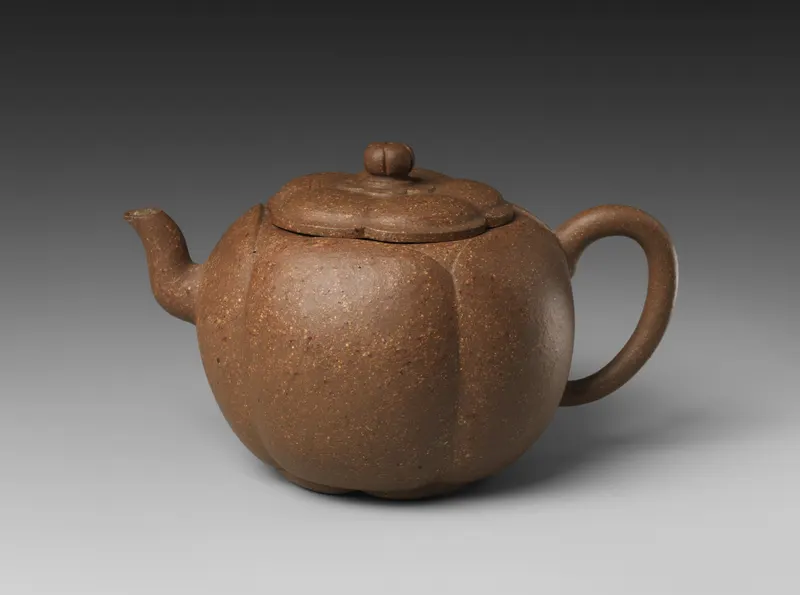
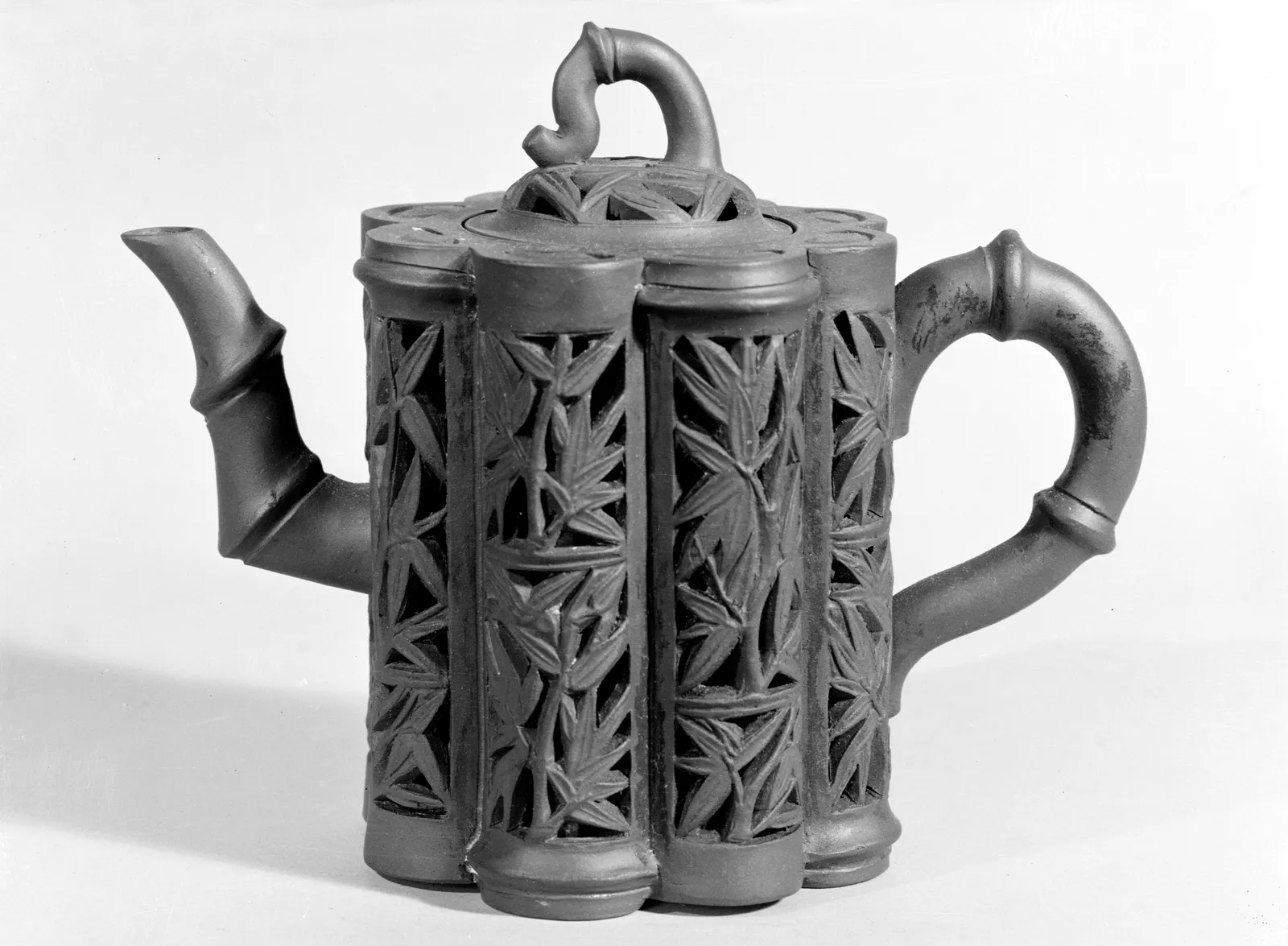
Yixing clay pots are traditional for some teas, and a gaiwan is easier to learn with. Use what you have. The method is more important than the shopping list.
The Eight Moves, Step by Step
Chaozhou gongfu tea is often taught as eight moves. You can do them at a kitchen table.
- 治器 (prepare the vessels). Rinse the pot or gaiwan, pitcher, and cups with hot water. Warm them, then empty them.
- 纳茶 (add the leaf). Use more leaf than you would for a mug. For a small gaiwan, start with 5–7 grams per 100–120 ml, then adjust.
- 候汤 (wait for the water). Heat water to the tea’s needs. Green and white teas usually prefer cooler water; oolong, black, and pu-erh can take water near a boil.
- 冲点 (pour). Pour with a steady stream. Fill the vessel, let the leaf settle, and keep the lid nearby.
- 刮沫 (skim the foam). Use the lid to push foam and floating bits aside, then replace the lid.
- 淋罐 (rinse the outside). Pour a little hot water over the closed pot or gaiwan. This warms the vessel and rinses the outside.
- 烫杯 (warm the cups). Fill the cups with hot water, then empty them. Warm cups hold aroma better.
- 洒茶 (serve). Pour through the strainer into the fairness pitcher, then fill the cups. Keep each cup even. Do not fill to the brim.
The first infusion is often a quick rinse for some teas, especially compressed pu-erh. For fresh green tea, many drinkers skip the rinse and keep the first infusion. Taste is the guide.
Steeping Times by Tea Type
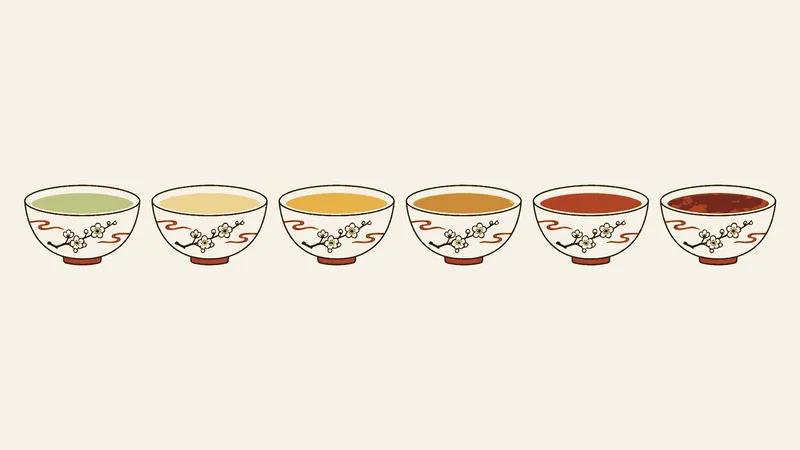
Use short infusions and taste as you go. A common gongfu rhythm is 10–30 seconds for early infusions, then longer as the leaf fades. Leaf size, vessel size, water temperature, and your own taste change the number.
| Tea type | Water | Starting point | Notes |
|---|---|---|---|
| Green | 80–85°C | 15s, then +5–10s | Keep it gentle; do not overpack the vessel. |
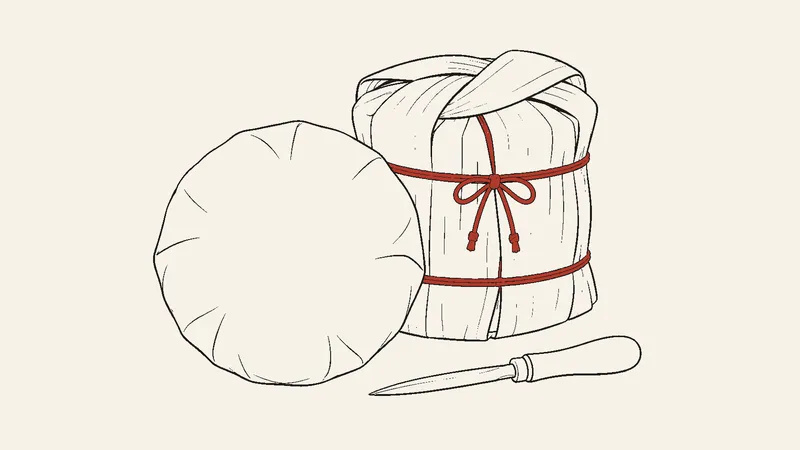
| White | 85–90°C | 20s, then +5–10s | Loose leaf opens faster than pressed cake. |
| Oolong | 95–100°C | 10–20s, then +5s | Balled oolong needs a moment to open. |
| Black | 90–95°C | 10–15s, then +5s | Start short; black tea can turn strong quickly. |
| Raw pu-erh | 95–100°C | 10–15s, then +5–10s | Rinse older or compressed leaf if you like. |
| Ripe pu-erh | 95–100°C | 10–15s, then +5–10s | Rinse once; the first pour is often deep. |
The timer below gives starting schedules for six tea types. Treat it as a rehearsal, not a rule. If a cup tastes thin, add time. If it tastes sharp, shorten the next infusion.
A Short, Honest History
The documented trail is clearer than the legends. Qing-era writer Yu Jiao described Chaozhou gongfu tea in 《梦厂杂著·潮嘉风月》, saying the method was based on Lu Yu’s Classic of Tea but the utensils were more refined. Yuan Mei’s 《随园食单·茶酒单》 also notes small pots and small cups.
In 2022, UNESCO added China’s traditional tea-processing techniques and related social practices to its intangible heritage list. The listing includes Chaozhou gongfu tea. That does not make every table a museum piece. It means the small-vessel method is recognized as a living practice.
The romantic origin stories — a name born from martial arts, a scholar’s sudden discovery — are best told as stories. The reliable point is simple: by the Qing dynasty, tea drinkers in Chaozhou were already treating brewing as a craft with its own tools and timing.
Small Etiquette, No Mysticism
Serving tea is a host’s small kindness. The old line “on a cold night a guest arrives; tea serves as wine” comes from Du Lei’s poem 《寒夜》. The gesture is ordinary: offer the cup, keep it warm, and do not make a performance of it.
The finger-tapping thank-you is often tied to a Qianlong emperor story. Tradition holds that version, but it is not reliable history. You can simply nod, say thanks, or tap two fingers lightly if you are in a tea room where people do it.
Do not fill cups to the brim. “Tea full is rude to guests” is a folk saying, not a law. Leave room for the cup to be lifted. If you are the guest, wait for the host to invite you to drink.
Gongfu tea is not a secret rite. It is a way to slow down a leaf. The timer helps, but your tongue is the final judge.
Questions, answered
What is gongfu tea?
Gongfu tea is a Chinese brewing method: lots of leaf, small vessels, short repeated infusions. The name means time and skill. It is common in Chaozhou, Fujian, and Taiwan tea rooms.
Is gongfu tea a ceremony?
It can feel ceremonial, but it is really a practical method. Chinese sources describe 工夫茶 as brewing with care and refined tools, not a single formal rite for every table.
Do I need a Yixing pot?
No. A gaiwan works well, and a small strainer and fairness cup help. Yixing pots are traditional for some teas, but a gaiwan is easier to learn with.
How long is the first infusion?
It depends on the tea. Start short, often 10–30 seconds, then adjust. The timer below gives starting points for six tea types; taste and adjust.
What does gongfu mean?
工夫 (gōngfu) means time, effort, or skill, not martial arts. Some write 功夫茶, but the Chaozhou term is 工夫茶. English speakers often say gongfu tea ceremony.