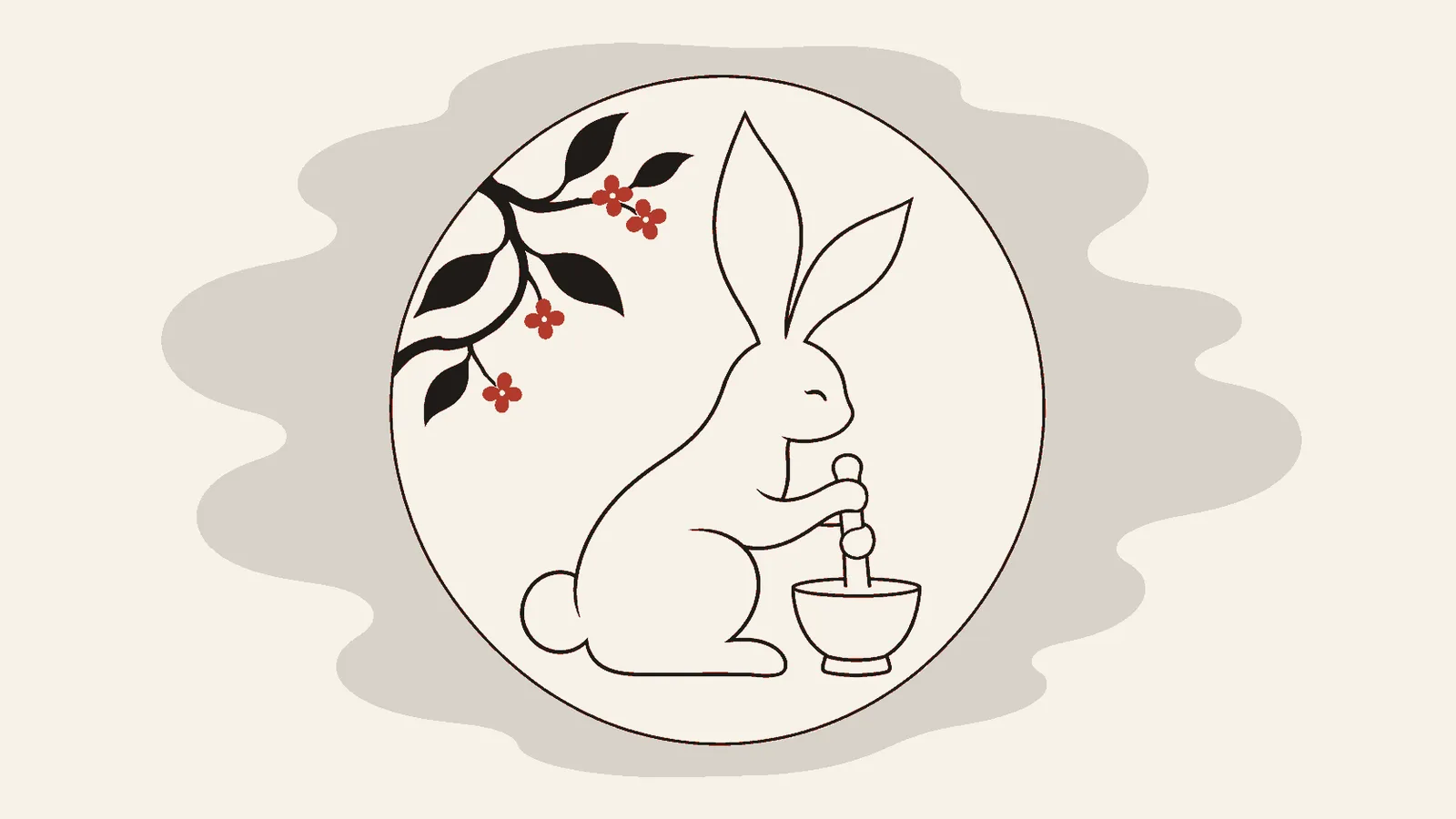
The moon rabbit is the hare Chinese tradition places on the moon, usually standing upright beside a mortar and pestle. In the Chinese textual line, the earliest trace is a question in the Chu Ci, and by the Han dynasty a yuefu poem already gives the hare a job: pounding pills. The familiar story later joins the hare to Chang’e, the woman who flees to the moon.
A Hare in the Moon Before Chang’e
The oldest Chinese trace in these notes is not a story but a question. In the Chu Ci’s “Tianwen”—“Heavenly Questions”—the poet asks about the hare in the moon: “顾菟在腹,” a hare in the moon’s belly. That line is from the Warring States period, and it already assumes that listeners know what the poet means. The rabbit is not explained; it is simply there.
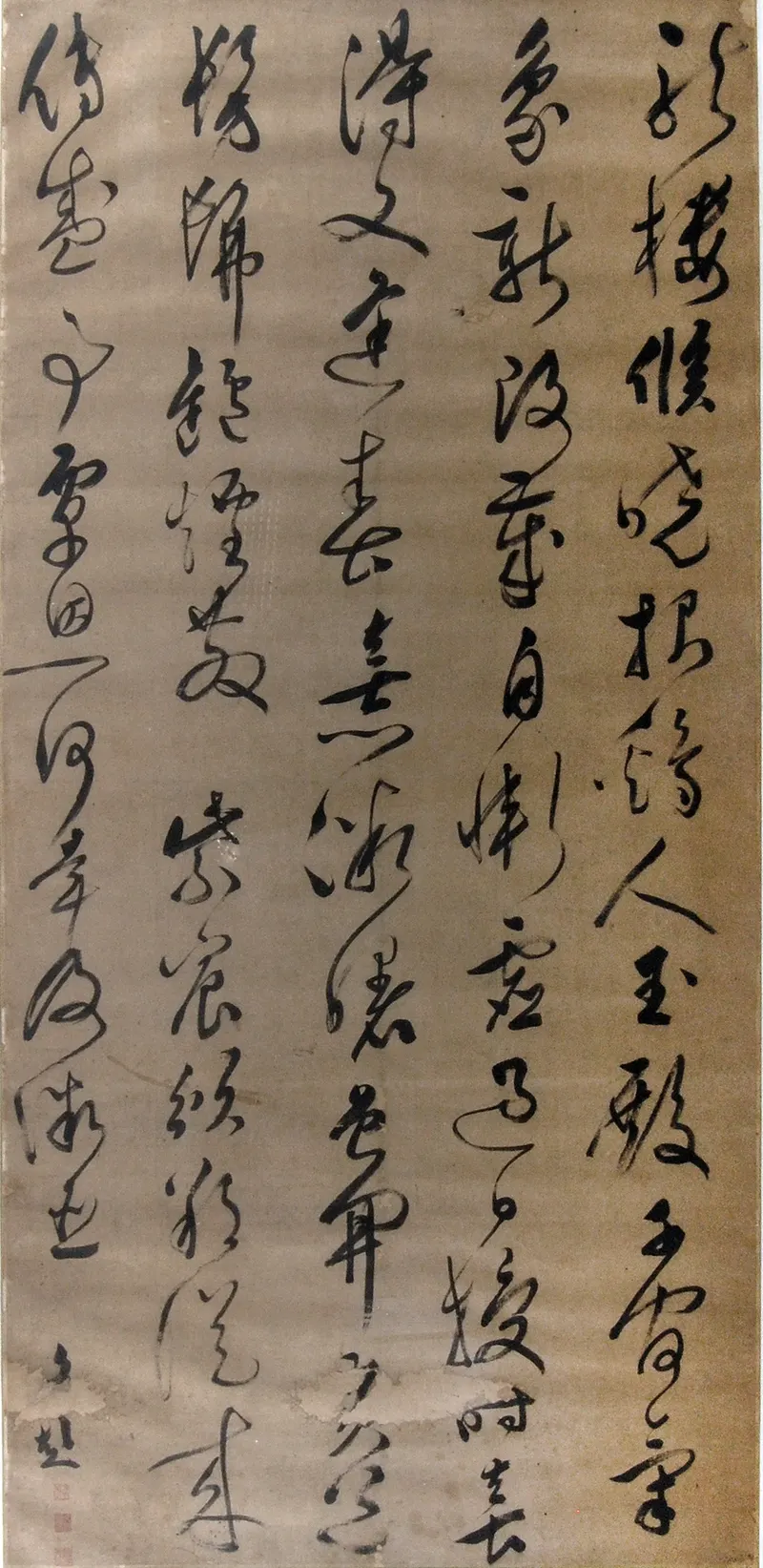
By the Han dynasty, the rabbit has a job. A yuefu poem collected in the Yuefu Shiji, the “Dongtao Xing,” says: “白兔长跪捣药虾蟆丸”—the white hare kneels upright and pounds the toad’s pills. The line is vivid and a little strange. It puts the hare, a mortar, and a toad in the same lunar scene.
In that traditional picture, the rabbit never had the moon to itself: the toad is there too, and the two creatures share the lunar disc. That pairing is a useful correction to the modern picture of a lone bunny on a clean white moon.
Pounding What? The Rabbit’s Job
The Han poem says “pills,” and the moon rabbit is often described as pounding an elixir. In myth, this is the moon’s own work: a rabbit at a mortar, making something in the lunar laboratory. The “medicine” belongs to story, not to any real prescription. The text gives an image, not an instruction for readers.
The toad in the line matters. If the rabbit is pounding “the toad’s pills,” the poem expects the moon toad to be part of the scene. The rabbit’s job is not a cute afterthought; it is written into the Han poetic line.
Chang’e Takes the Moon
The familiar Chang’e story comes from the Huainanzi, “Lanming” chapter. According to that account—a legend, not history—Yi asks Xi Wangmu for the elixir of deathlessness. Heng’e steals it and flees to the moon. In the Huainanzi her name is written Heng’e; “Chang’e” is a later form of the same name.
The Huainanzi is terse. It gives the theft and the flight, but not the full later picture of Chang’e with a rabbit companion. Later storytelling fills in the gaps. That is why it is useful to say “according to the Huainanzi account” and then, separately, “later tradition adds…” The moon rabbit has its own early trail; Chang’e has hers. The two become a familiar pair over time.
Mid-Autumn: Moon Viewing, Then Mooncakes
Mid-Autumn is the night when the moon rabbit becomes a seasonal star. In the Northern Song capital Bianjing, the Dongjing Menghua Lu, “Mid-Autumn” chapter, describes the scene: wealthy families decorated terraces and pavilions, while ordinary people competed for spots at wine houses to view the moon. The festival’s early textual anchor is moon viewing.
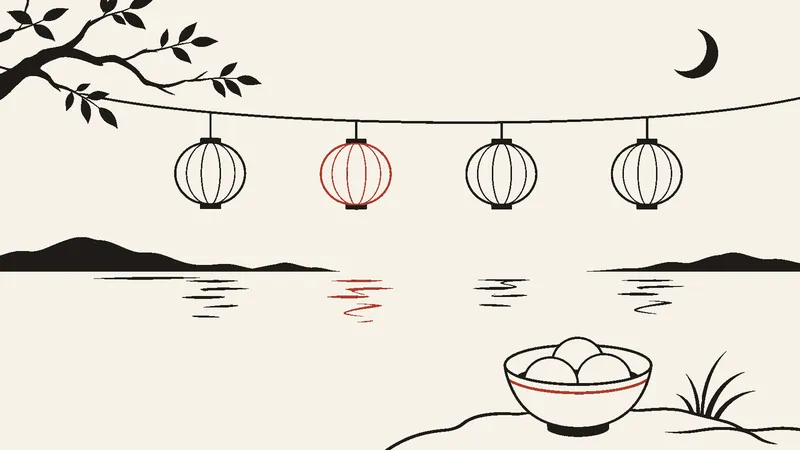
Modern Mid-Autumn tables add mooncakes, tea, lanterns, and family reunion. Mooncake origin stories are often folk legend, so it is safer to treat them as tradition rather than documented history. The rabbit fits naturally: a hare in the moon, a round mooncake, a round cup, a night built around looking up.
The Jade Rabbit in Modern China—and on the Moon
China’s lunar program borrows the old names. The spacecraft are called Chang’e, and a lunar rover has been named Yutu—the Jade Rabbit. The myth does not stay in a book. It travels as mission names, patches, and public science storytelling.
That modern echo is a reminder that the moon rabbit is not only a relic. It is a flexible cultural image: a Han poetic detail, a Mid-Autumn mascot, a mission name. The story changes jobs as it moves.
Across Asia, One Moon, Many Rabbits
The moon rabbit is not China-only. Regional traditions across Asia also place a hare in the moon, and local versions differ. The Chinese textual line is distinctive because the Han yuefu already names the rabbit’s task in a line of poetry.
These comparisons are best handled gently. They show a shared lunar image, not one single original script. The Chinese rabbit has its own sources: the Chu Ci question, the Han yuefu line, later accounts of Han stone reliefs, the Huainanzi’s Chang’e account, and the Song moon-viewing record.
A Source Trail You Can Follow
- Chu Ci, “Tianwen”: the poet asks about the hare in the moon.
- Yuefu Shiji, “Dongtao Xing”: the white hare kneels and pounds the toad’s pills.
- Huainanzi, “Lanming” chapter: Heng’e steals the elixir and flees to the moon.
- Dongjing Menghua Lu, “Mid-Autumn”: Song dynasty moon viewing in Bianjing.
Read those together and the moon rabbit becomes more concrete. It is a question in an ancient poem, a job in a Han song, a companion in later storytelling, and a seasonal symbol on a Mid-Autumn table.
Questions, answered
What is the moon rabbit?
The moon rabbit, or Jade Rabbit, is the hare Chinese tradition places on the moon. Early Chinese texts describe it beside a mortar, pounding an elixir; later accounts of Han images also place it in the moon. Later stories link it with Chang'e and Mid-Autumn moon viewing.
Is the moon rabbit from the Shan Hai Jing?
The moon rabbit is not usually traced to the Shan Hai Jing. Its early Chinese trail runs through the Chu Ci and Han yuefu poetry; later accounts also point to Han dynasty moon images. The Shan Hai Jing is a separate classic of mountains, seas, and strange creatures.
Why is the rabbit pounding pills?
A Han yuefu line in the Yuefu Shiji says the white hare kneels and pounds 'the toad's pills.' The line assumes the moon toad was already familiar. In myth, the rabbit's mortar is part of the moon's equipment, not an instruction for readers.
What is Chang'e's connection to the moon rabbit?
The Huainanzi's Lanming chapter tells how Heng'e—later called Chang'e—steals the elixir of deathlessness and flees to the moon. The text is brief. Later storytelling brings Chang'e, the rabbit, and Mid-Autumn moon viewing into one familiar picture.
Do Chinese people believe the moon rabbit is real?
The moon rabbit is treated as myth, folklore, and seasonal imagery, not as a literal animal. Mid-Autumn celebrations use the rabbit as a friendly symbol. Modern Chinese lunar missions borrow the names Chang'e and Yutu, which shows how the story works as culture and play.